
What Assets Go Through Probate in Utah?
When someone passes away, not all of their assets are treated the same. Some must go through probate, while others transfer automatically to beneficiaries.
Understanding the difference can help you plan ahead, avoid delays, and reduce costs for your loved ones.
👉 If you're new to the process, start with What Probate Is and How It Works in Utah.

What Is Probate (Quick Overview)?
Probate is the legal process of:
- Identifying a person's assets
- Paying debts and taxes
- Distributing what remains to heirs or beneficiaries
👉 Learn more about responsibilities during probate in What Does a Personal Representative Do in Utah Probate?
Assets That Typically Go Through Probate in Utah
Assets usually go through probate if they were owned solely by the deceased person and do not have a designated beneficiary.
Common Probate Assets Include:
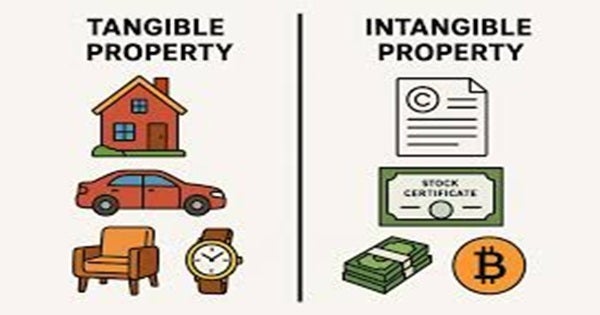
- Real estate owned in the decedent's name alone
- Bank accounts without a payable-on-death (POD) designation
- Vehicles titled solely in the decedent's name
- Personal property (furniture, jewelry, collectibles)
- Business interests owned individually
These assets require court involvement to legally transfer ownership.
Assets That Do NOT Go Through Probate in Utah
Many assets can bypass probate entirely, making the process faster and simpler.
Non-Probate Assets Include:
- Jointly owned property with right of survivorship
- Bank accounts with POD (Payable-on-Death) beneficiaries
- Life insurance policies with named beneficiaries
- Retirement accounts (401(k), IRA) with designated beneficiaries
- Assets held in a trust
These assets transfer directly to the named individual without court involvement.
Why Some Assets Avoid Probate
The key factor is whether the asset has a built-in transfer mechanism.
- If ownership automatically passes to someone else → No probate
- If ownership is unclear or solely in the decedent's name → Probate required
How to Keep Assets Out of Probate in Utah
With proper planning, many assets can avoid probate entirely.
Common Strategies Include:
- Adding beneficiary designations (POD/TOD accounts)
- Creating a revocable living trust
- Holding property jointly (when appropriate)
👉 Learn more in How to Avoid Probate in Utah.
What If the Estate Is Small?

If the estate qualifies, you may not need full probate at all.
👉 Utah allows certain estates to use a simplified process. Learn how in How to Use a Small Estate Affidavit in Utah.
Common Mistakes to Avoid
Even simple estates can run into problems:
- Forgetting to update beneficiary designations
- Assuming a will avoids probate (it doesn't)
- Leaving assets titled only in one name
- Not coordinating accounts with an estate plan
Why This Matters for Your Estate Plan
Knowing which assets go through probate allows you to:
- Reduce legal costs
- Speed up asset distribution
- Minimize stress for your family
- Maintain privacy (probate is public)
Need Help Structuring Your Estate?
At EVN Law, we help Utah individuals and families create estate plans that minimize probate and simplify administration.
👉 Contact EVN Law today to build a plan that protects your assets and your loved ones.
Frequently Asked Questions About Probate Assets in Utah
Still have questions? Here are some quick answers:
Does having a will avoid probate in Utah?
No. A will directs how assets are distributed, but it still goes through probate unless assets are structured to avoid it.
Do joint bank accounts go through probate?
Usually not, if they include a right of survivorship. The funds typically pass directly to the surviving owner.
What happens if no beneficiary is listed?
The asset will likely go through probate and be distributed according to the will or Utah law.
Can all assets be kept out of probate?
With proper planning, many assets can avoid probate—but not every situation allows for complete avoidance.


Comments
There are no comments for this post. Be the first and Add your Comment below.
Leave a Comment