
Executor Mistakes in Utah Probate: What to Avoid | EVN Law
Serving as an executor (personal representative) is a significant legal responsibility. While many executors do their best, mistakes are common—especially during an already stressful time.
Unfortunately, some errors can lead to delays, disputes, or even personal liability.
The good news? Most of these mistakes are completely avoidable when you know what to watch for.

What Does an Executor Do? (Quick Overview)
An executor is responsible for managing a deceased person's estate through probate. This includes:
- Identifying and securing assets
- Notifying heirs and creditors
- Paying debts and taxes
- Distributing assets
- Closing the estate
👉 For a full breakdown of responsibilities, see:
What Does a Personal Representative Do in Utah Probate?
Top Executor Mistakes to Avoid in Utah Probate
Below are the most common mistakes executors make—and how to avoid them.
1. Distributing Assets Too Early
This is one of the most serious and common mistakes.
Executors must:
- Wait until debts and taxes are fully resolved
- Allow time for creditor claims
⚠️ Risk:
If you distribute assets too soon, you could be personally responsible for unpaid debts.
2. Failing to Properly Notify Creditors
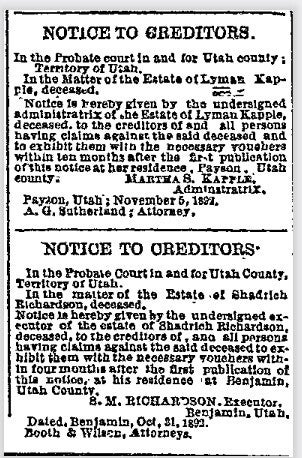
Utah probate law requires executors to properly notify creditors.
This may include:
- Direct notice to known creditors
- Public notice (when required)
⚠️ Risk:
Failure to notify creditors correctly can:
- Extend probate timelines
- Lead to unexpected claims later
3. Not Securing Estate Assets Quickly
One of your first responsibilities is protecting the estate.
Common issues include:
- Leaving property unsecured
- Failing to maintain real estate
- Allowing assets to lose value
⚠️ Risk:
Assets can be damaged, lost, or diminished—reducing what beneficiaries receive.
4. Incomplete or Poor Asset Inventory

Executors must identify and document all estate assets.
Mistakes include:
- Overlooking accounts or property
- Failing to properly value assets
- Not keeping organized records
⚠️ Risk:
Missing assets can create disputes and legal complications.
👉 Learn more here:
What Assets Go Through Probate in Utah
5. Mismanaging Estate Funds
Executors have a fiduciary duty to act in the estate's best interest.
Common mistakes:
- Mixing personal and estate funds
- Failing to track expenses
- Poor financial recordkeeping
⚠️ Risk:
This can lead to liability or accusations of misconduct.
6. Missing Deadlines and Court Requirements
Probate involves strict timelines and legal filings.
Examples include:
- Filing probate documents late
- Missing court deadlines
- Delaying tax filings
⚠️ Risk:

Delays can:
- Prolong probate
- Increase costs
- Frustrate beneficiaries
7. Distributing Assets Without Court Approval
Even when beneficiaries are eager, you must follow proper legal steps.
⚠️ Risk:
Distributing assets without authorization can:
- Create legal issues
- Expose you to personal liability
8. Poor Communication with Beneficiaries
Lack of communication is a leading cause of disputes.
Executors should:
- Provide regular updates
- Treat beneficiaries equally
- Document key decisions
⚠️ Risk:
Miscommunication often leads to:
- Conflict
- Distrust
- Potential legal challenges
9. Failing to Follow the Terms of the Will
The will should guide your decisions.
⚠️ Risk:
Ignoring or misinterpreting the will can result in:
- Disputes among heirs
- Legal consequences
10. Not Tracking Executor Expenses
Executors are entitled to reimbursement—but only if properly documented.

Common mistakes:
- Not saving receipts
- Failing to track mileage or expenses
- Mixing expenses with personal funds
⚠️ Risk:
You may not be reimbursed—or may face disputes over expenses.
How to Avoid Executor Liability in Utah
To protect yourself while serving as executor:
- Keep detailed, organized records
- Open a separate estate bank account
- Follow court procedures carefully
- Communicate clearly and consistently
- Ask questions when unsure
👉 You can also review the full probate process here:
What Probate Is and How It Works in Utah
When Should an Executor Get Legal Help?
You should strongly consider working with an attorney if:
- The estate includes real estate or multiple assets
- There are disputes between heirs
- You're unsure about legal requirements
- You want to reduce risk and liability
Why This Matters
Serving as an executor isn't just an administrative task—it's a legal role with real responsibility.
Avoiding common mistakes can:
- Protect you from personal liability
- Prevent family disputes
- Keep the probate process running smoothly
Need Help Serving as an Executor in Utah?
At EVN Law, we help executors navigate probate with clarity and confidence—so you can fulfill your role without unnecessary stress or risk.
👉 Contact EVN Law today for clear, affordable guidance.
Frequently Asked Questions About Executor Mistakes
Can an executor be sued?
Yes. Executors can be held personally liable for mistakes, mismanagement, or failure to follow the law.
Is an executor responsible for debts?
Not usually—but they can be if assets are distributed before debts are properly paid.


Comments
There are no comments for this post. Be the first and Add your Comment below.
Leave a Comment